Heat Resistant Glass For Fireplace
Good thermal insulation properties:
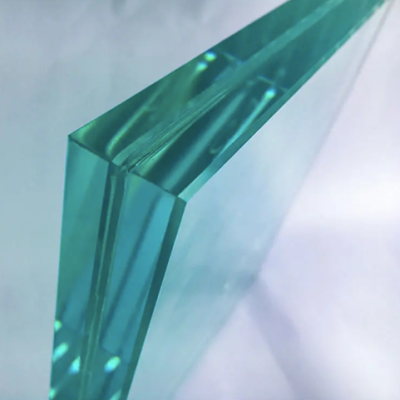
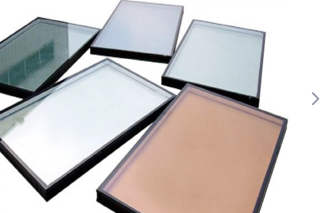
Insulating tempered glass can effectively block the transfer of heat, thereby reducing the temperature difference between indoors and outdoors and improving the energy-saving effect of the building. This is of great significance for reducing air conditioning energy consumption and maintaining indoor temperature stability.
Strong UV protection:
The special structure of insulating tempered glass gives it a strong ability to isolate ultraviolet rays, which helps protect indoor furniture and floors from ultraviolet damage and prolongs their service life.
Product Details
(A) Product Overview & Introduction
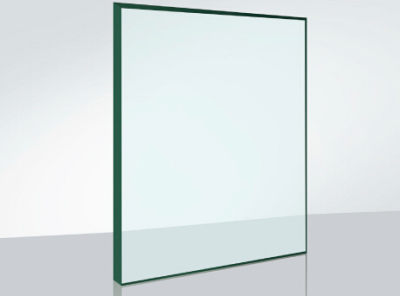
Heat resistant glass for fireplaces is a specialized, high-performance safety glazing product engineered to withstand the extreme and fluctuating temperatures generated by wood-burning stoves, gas fireplaces, and pellet stoves while providing a clear, unobstructed view of the flames. Unlike standard tempered glass, which is designed for general safety and thermal stress up to about 250-300°C, genuine fireplace glass is manufactured from either high-grade, high-temperature tempered soda-lime silica glass or, for the most demanding applications, transparent ceramic glass (such as Robax® or Pyroceram® type). This specialized glass undergoes a rigorous thermal tempering process and is often treated with a high-temperature resistant coating to enhance its durability. Its primary function is to serve as a viewing panel in sealed combustion fireplace doors, effectively containing sparks and embers while allowing radiant heat to pass through and maximizing the fire’s visual appeal. At Shandong Ulan Glass, we supply and custom-cut both high-temperature tempered glass and ceramic glass panels, ensuring they meet the specific thermal shock resistance, clarity, and mechanical strength requirements for safe and reliable operation in residential and commercial heating appliances.
(B) Core Product Features & Advantages
- Exceptional Thermal Shock Resistance: Our fireplace glass is formulated and processed to resist sudden temperature changes (ΔT) exceeding 400°C without cracking. It can withstand continuous operating temperatures of 450-700°C (depending on the material) and momentary peaks even higher, far exceeding the limits of ordinary glass.
- High Mechanical Strength & Impact Safety: Like all tempered glass, it possesses high surface compression, making it 3-5 times stronger than annealed glass. In the unlikely event of breakage due to severe impact or a manufacturing flaw, it fragments into small, granular pieces to minimize injury risk, complying with safety glazing standards.
- Optical Clarity & Stability: We select high-quality, low-iron raw materials for superior clarity, ensuring a crystal-clear view of the fire with minimal greenish tint. The glass is treated to resist hazing, discoloration, or “devitrification” (crystallization) that can occur with inferior glass under prolonged high heat.
- Easy Maintenance & Clean Burn: The smooth, non-porous surface resists the adhesion of soot and combustion by-products. When cleaning is required, it can be safely wiped once cool, helping to maintain optimal transparency and heat transmission over the lifetime of the appliance.
(C) Technical Specifications & Material Comparison (In Table Format - MUST NOT be an image)
Parameter / Material Type | High-Temperature Tempered Glass (Soda Lime) | Ceramic Glass (Aluminosilicate) | Notes & Standards |
|---|---|---|---|
Maximum Continuous Service Temperature | Up to 450°C | Up to 700°C - 760°C | Ceramic glass is required for high-efficiency stoves. |
Thermal Shock Resistance (ΔT) | ≥ 300°C | ≥ 700°C | Ability to withstand rapid cooling (e.g., a cold draft on a hot pane). |
Coefficient of Thermal Expansion | ~ 9.0 x 10⁻⁶/K | ~ 4.0 x 10⁻⁶/K | Lower expansion means less stress under heat, key for ceramic glass. |
Typical Thickness | 4mm, 5mm, 6mm | 4mm, 5mm, 6mm | Custom thicknesses available. Thicker glass handles larger panes. |
Light Transmission (Visible) | > 89% (Low Iron) | > 90% | High clarity for optimal flame viewing. |
Safety Fragmentation | Complies with EN 12150 (Tempered) | Complies with EN 12150 | Breaks into small granules. |
Primary Applications | Gas fireplace doors, lower-temp wood stoves, fire screens. | High-efficiency wood stoves, pellet stoves, coal stoves, high-temp viewing ports. | Material selection is critical; must follow appliance manufacturer specs. |
Key Standards & Certifications | Tested per ASTM E1306, relevant parts of EN 1863 (thermally toughened soda lime silicate safety glass) | Often complies with manufacturer-specific standards (e.g., Schott Robax specs) or high-performance glass standards. | We provide test reports for thermal stability. |
(D) Detailed Applications, Selection & Installation Guide
- Application-Specific Selection:
- Wood-Burning Stoves & Inserts: Ceramic glass is almost always mandatory due to extreme combustion temperatures. It must withstand direct flame impingement and rapid thermal cycling.
- Gas Fireplaces: High-temperature tempered glass is commonly used, as gas fires produce a cleaner, less intense heat. The glass acts as a safety barrier and improves efficiency.
- Pellet Stoves: Similar to wood stoves, ceramic glass is typically required due to high operating temperatures.
- Fireplace Doors & Screens: For open fireplace covers, high-temperature tempered glass is used to contain sparks while allowing radiant heat to pass.
- Sizing, Cutting & Installation Warnings:
- Precision Cutting: Fireplace glass cannot be cut or drilled after tempering. All dimensions, including any notches or holes for mounting hardware, must be finalized before the thermal toughening process. We provide custom cutting to the exact millimeter based on your appliance model or template.
- Gasket & Sealing: It must be installed with a high-temperature silicone or fiber rope gasket specified by the stove manufacturer. This allows for thermal expansion and prevents stress points.
- Handling: Always handle with clean gloves. Oil from skin can bake onto the surface when heated, causing permanent stains.
(E) Our Manufacturing & Quality Assurance Process
Our high-temperature fireplace glass begins as selected, high-purity glass sheets. They are precision cut, and all edges are meticulously seamed and polished to a smooth finish to eliminate micro-cracks that could become failure points under thermal stress. The glass then undergoes a specialized, computer-controlled tempering process in our horizontal furnace, where it is heated to near its softening point and then quenched with precisely calibrated air jets. For ceramic glass, we source premium, ready-made aluminosilicate glass blanks which we then cut to size. Every batch of our tempered fireplace glass undergoes thermal shock testing (quenching from a set high temperature into room temperature water) and fragmentation testing to ensure it meets both safety and durability standards. We understand that this is a critical safety component, and our quality control is non-negotiable.
(F) Packaging, Shipping & Maintenance Instructions
Each glass panel is individually wrapped in a soft, non-abrasive material, with protective corner pads. It is then packed in a rigid, cardboard partition box or a custom wooden crate, clearly marked with “FRAGILE,” “HEAT RESISTANT GLASS,” and “THIS SIDE UP” labels. We provide a detailed handling and installation guide with each shipment. For maintenance, we recommend using a dedicated fireplace glass cleaner or a solution of vinegar and water only when the glass is completely cool. Abrasive cleaners or scrapers should never be used, as they can damage the surface.
Leave your messages