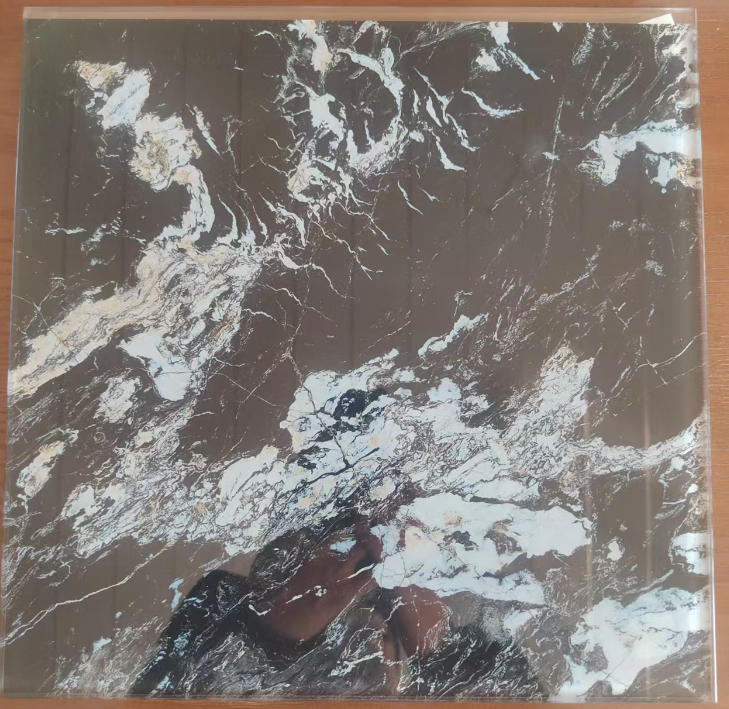
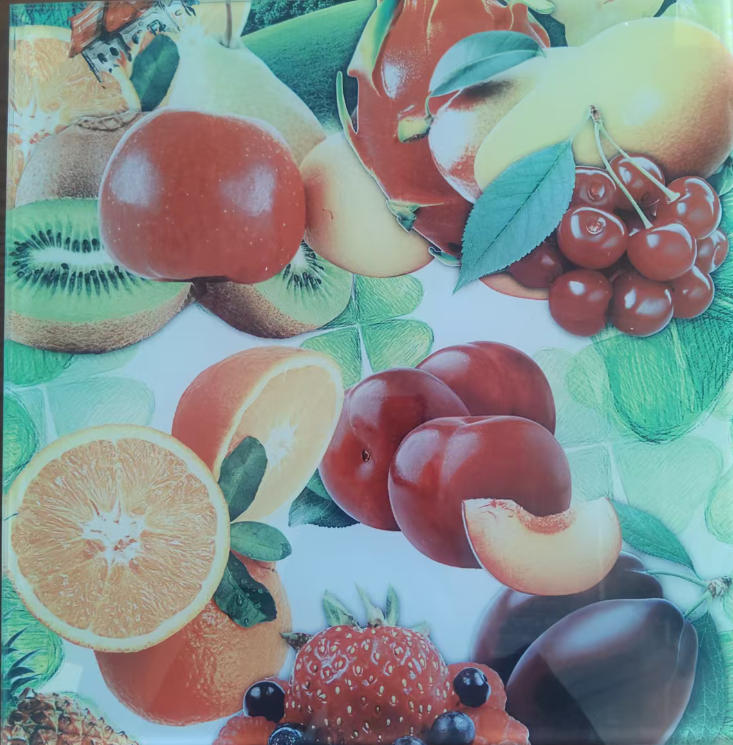
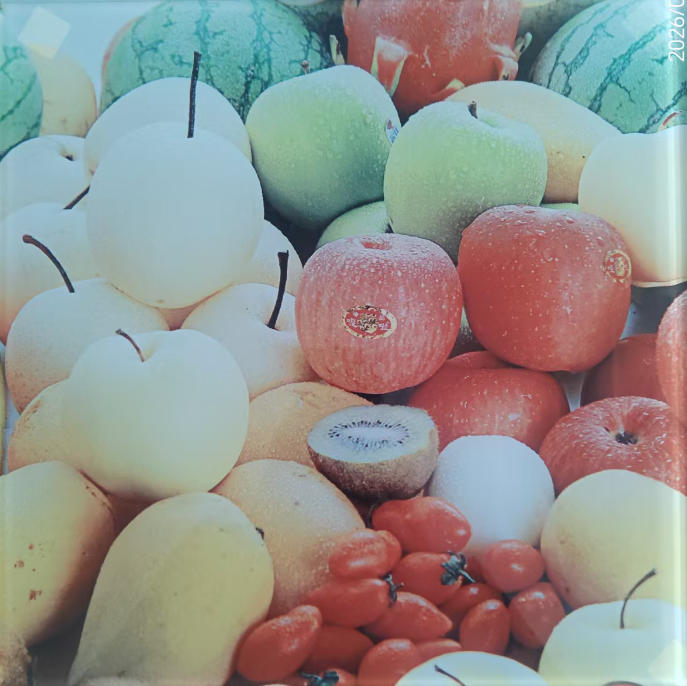
The "Imago" Collection – High-Definition Artistic Digital Ceramic Print Glass

The "Imago" Collection represents the zenith of digital printing technology applied to architectural glass, transforming transparent surfaces into permanent, breathtaking canvases for artistic expression. Its core advantages are rooted in a perfect synergy of unlimited creative freedom and industrial-grade durability. Unlike temporary vinyl applications or limited screen printing, this collection allows for the direct, high-fidelity reproduction of any digital image—be it a photograph, a complex graphic design, a fine art reproduction, or an original pattern—with photographic detail up to 1440 dpi. The use of inorganic ceramic inks, which are permanently fused into the glass substrate during a high-temperature tempering process (600-720°C), grants the print exceptional resistance to scratching (pencil hardness >7H), UV radiation, chemical cleaners, and extreme weather, ensuring the vibrancy and integrity of the design for decades without fading, peeling, or yellowing. This process simultaneously transforms the glass into fully tempered safety glass, which fragments into small, blunt granules upon breakage, mitigating injury risk. The collection offers unparalleled design versatility, enabling precise control over opacity gradients to create areas of transparency, translucency, or complete opacity within a single panel. It is compatible with various base glasses, including ultra-clear low-iron glass, back-painted glass, and textured glass (e.g., hammered, rain), allowing designers to combine visual art with tactile sensations. From a functional perspective, printed patterns can be engineered to provide solar shading, reduce glare, and enhance privacy while maintaining light transmission. Economically, it eliminates the need for costly physical screens or plates, making small-batch and one-off custom projects financially viable and reducing lead times dramatically compared to traditional methods.

Product Details
The "Imago" Collection is built upon advanced digital ceramic printing technology, primarily utilizing industry-leading platforms like Dip-Tech's printing systems . The process begins with the meticulous preparation of the glass substrate. Sheets of clear, extra-clear (low-iron), or selected textured glass are cut to the required size and their edges are precision-ground and polished to ensure safety and a flawless finish. The surface undergoes a rigorous chemical and ultrasonic cleaning process to remove all contaminants, oils, and micro-particles, which is critical for optimal ink adhesion.
  • Image 1 Concept: A detailed infographic showing the step-by-step manufacturing process: 1) Glass cutting & edging, 2) Ultrasonic cleaning, 3) Digital printing via industrial flatbed printer with ceramic inkjet heads, 4) Pre-drying with IR/hot air, 5) High-temperature tempering furnace where ink vitrification occurs, and 6) Final inspection.
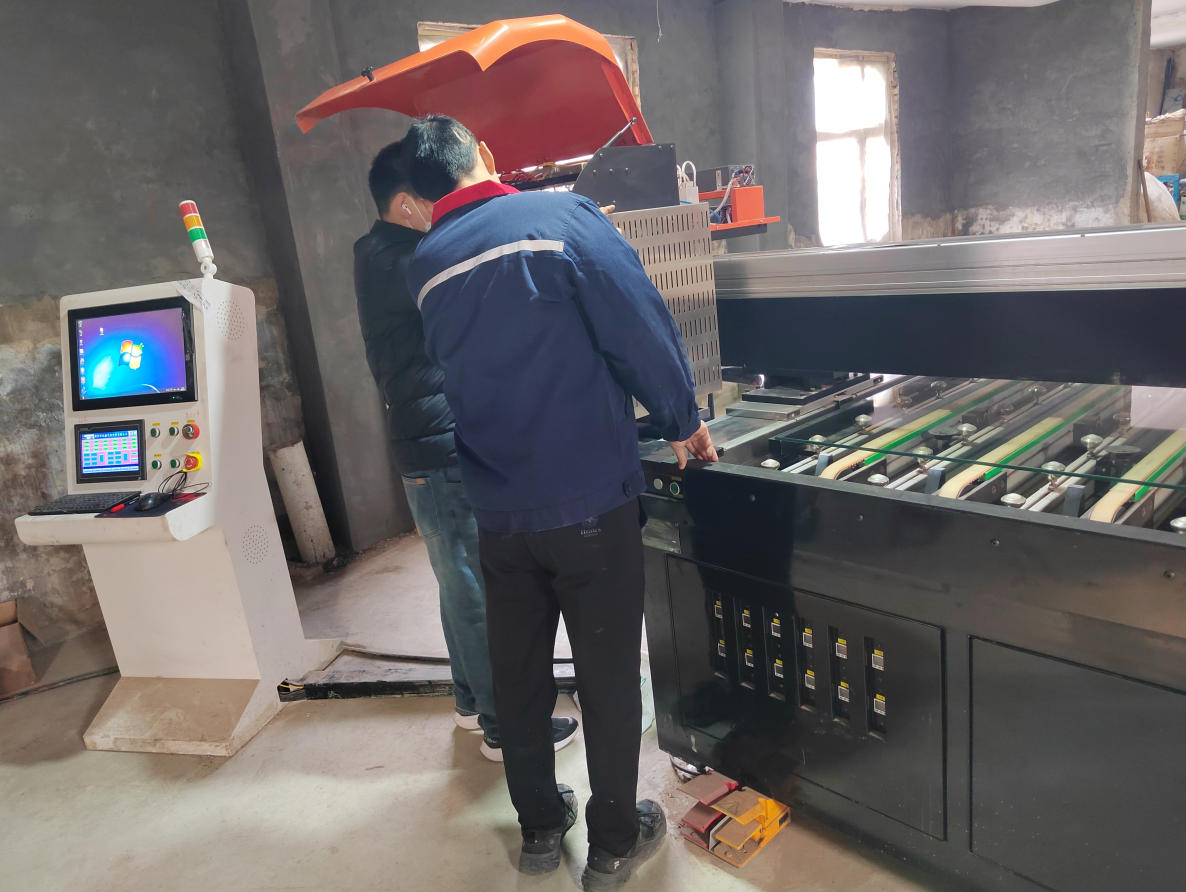
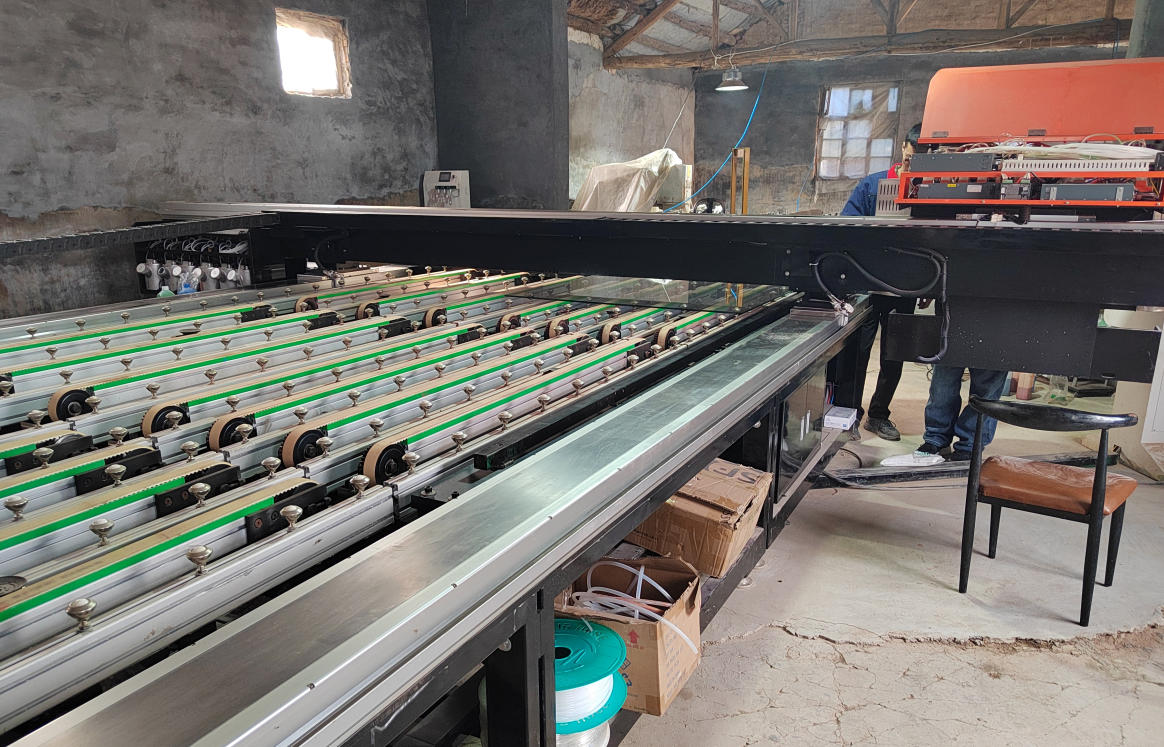
The digital file—whether a high-resolution photograph, vector graphic, or custom design—is processed through specialized RIP (Raster Image Processor) software. This software manages color profiles, ensures accurate color matching (including Pantone® references), and translates the design into printing instructions for the piezoelectric inkjet print heads. These print heads, capable of depositing ink droplets as small as 6 picoliters, move across the glass surface with micron-level precision. The inks used are ceramic frit-based, composed of finely ground glass powder and inorganic pigments suspended in a carrier medium. A key technological differentiator is the integrated pre-drying system that applies a combination of infrared radiation and hot air immediately after ink deposition. This stabilizes the ink droplets, prevents smudging or bleeding, and allows for higher ink laydown rates, which is essential for achieving deep, opaque colors and smooth gradients .
The defining stage is the high-temperature thermal treatment. The printed glass is conveyed through a tempering lehr (oven), where it is heated to approximately 700°C and then rapidly cooled with jets of air. During this phase, two critical transformations happen simultaneously: the glass itself undergoes thermal tempering, increasing its mechanical strength and safety characteristics, and the ceramic frit within the ink melts and vitrifies, forming a permanent, molecular bond with the glass surface. The image becomes an integral part of the glass, not merely a surface coating. Post-tempering, the glass can undergo further processing such as laminating with another pane (using PVB, EVA, or SGP interlayers) to create safety/security glass or be assembled into Insulated Glass Units (IGUs) for thermal and acoustic performance.

digital print glass

digital print glass


Leave your messages

Related Products

x

Popular products

x
x