Toughened Safety Glass
Good optical properties:
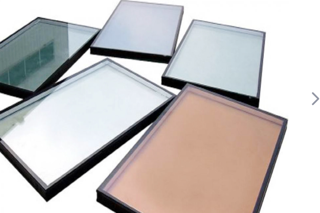
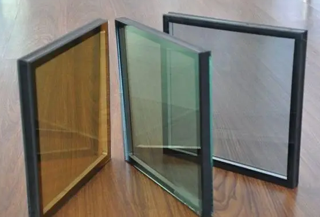
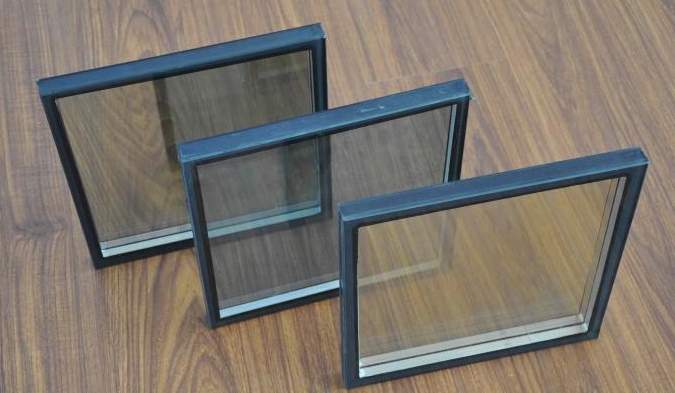
LOW E glass has high light transmittance, good indoor lighting effect, various colors and good decorative properties. This allows LOW E tempered glass to not only provide a good visual experience, but also meet different decoration needs.
Application areas
LOW E tempered glass is also widely used in the automotive field. It can be used as the front windshield, side window, etc. of the car. It not only has excellent safety, but also blocks ultraviolet rays and heat, providing passengers with a more comfortable riding environment.
Features
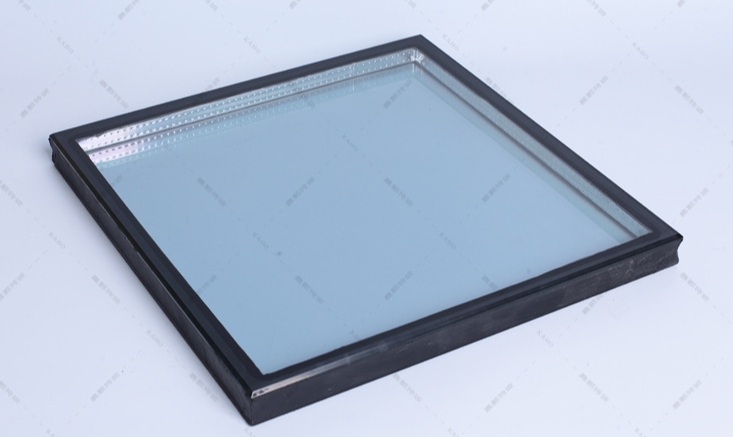
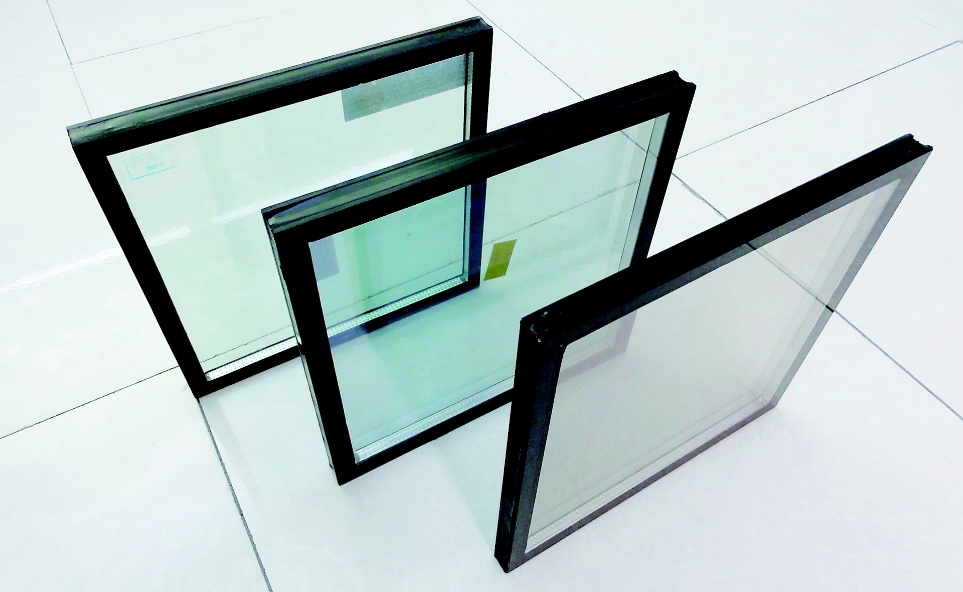
Excellent thermal insulation performance: The surface emissivity of LOW E glass is low, which can significantly reduce indoor and outdoor heat transfer and achieve excellent thermal insulation effects. This means that in winter, it can effectively retain indoor heat and reduce heat loss to the outdoors; and in summer, it can block outdoor heat from entering the room and keep the indoor temperature cool.
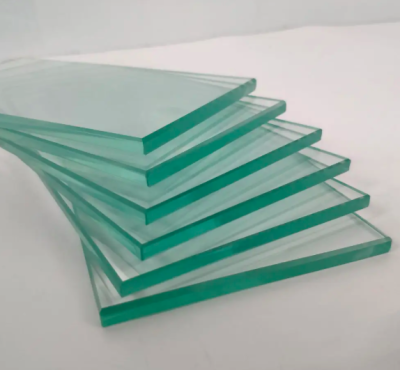
High strength and safety: The tempered LOW E glass has extremely high strength and can resist strong impact. Even if it breaks, it will form small particles, which greatly reduces the risk of injury. This makes LOW E tempered glass have wide application value in places that require high security, such as high-rise buildings, public areas, etc.

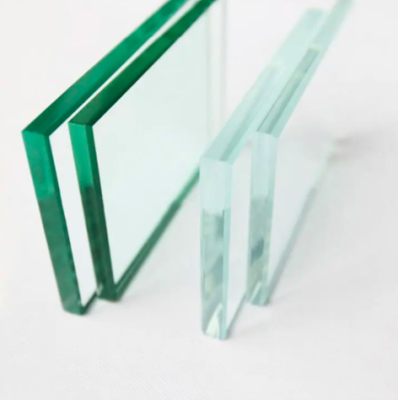
- Toughened Glass: A single pane that is heat-treated. It is very strong but will collapse completely upon breakage. It provides excellent impact resistance but no residual integrity or protection from falling after breaking.
- Laminated Glass: Consists of two or more glass panes (which can be toughened or annealed) bonded together with a plastic interlayer (usually PVB or EVA). When broken, the glass fragments adhere to the interlayer, holding the pane together. This provides retained integrity, preventing fall-through, offering security, and often providing sound insulation and UV blocking.
- Architectural Glazing: All-glass doors, side panels, balcony railings, skylights, and windows where safety is a concern.
- Transportation: Side and rear windows in vehicles (windshields are laminated), bus shelters, and train interiors.
- Household Items: Shower and tub enclosures, glass table tops, shelving, oven doors, and fireplace screens.
- Appliances & Electronics: Microwave oven doors, refrigerator shelves, and covers for displays or control panels.
- Furniture & Partitions: Office glass partitions, protective sneeze guards, and glass balustrades for stairs.