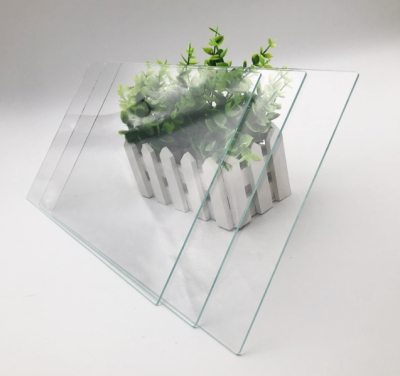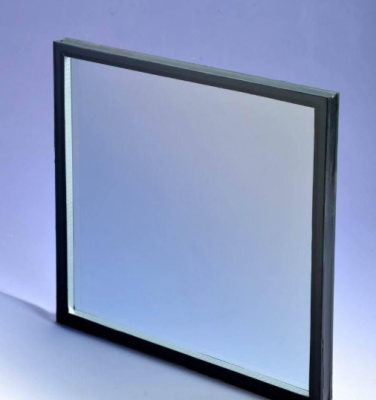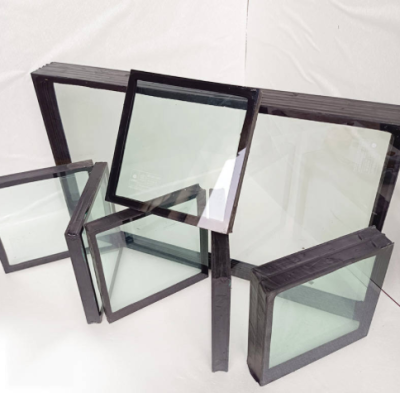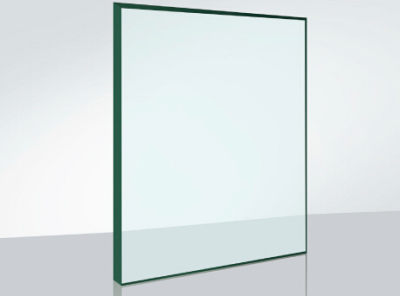
Toughened Glass For Balcony
Energy saving and environmental protection:
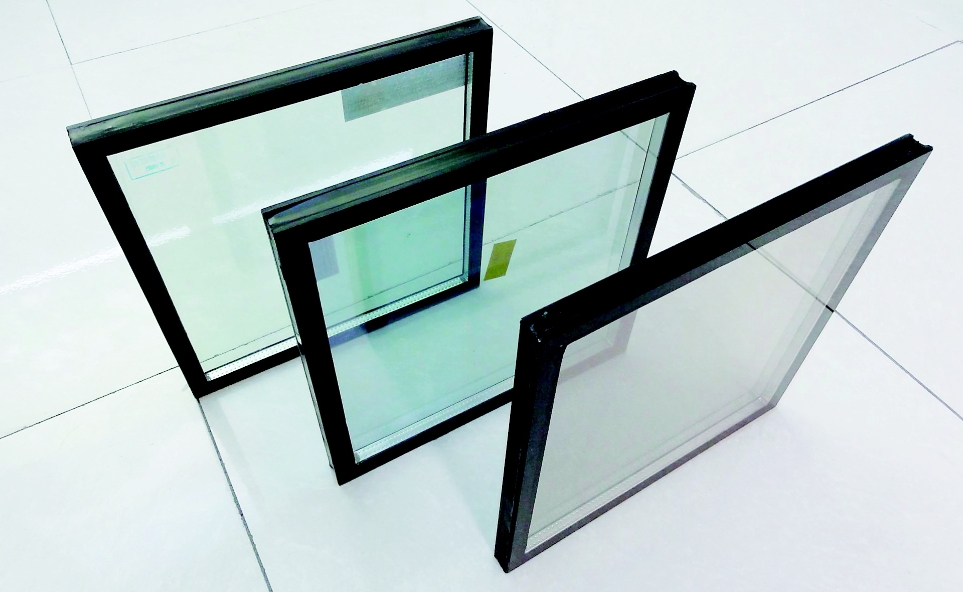
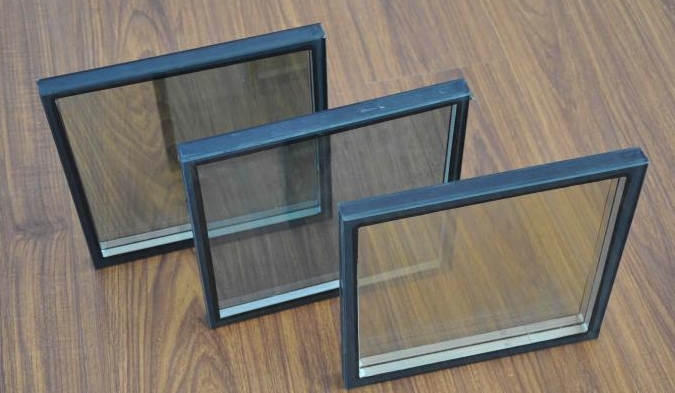
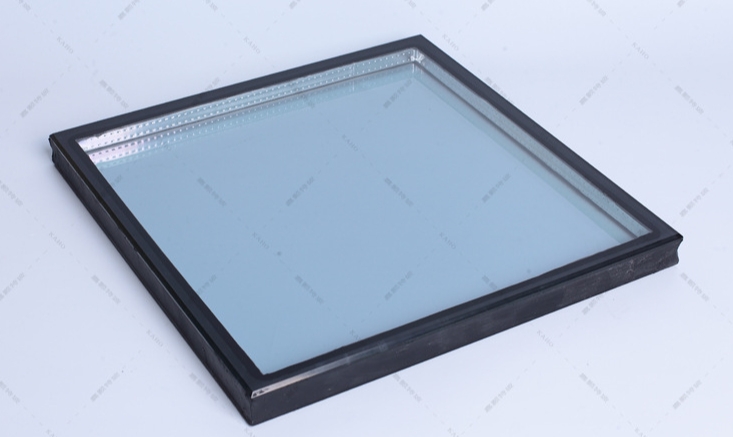
Using LOW E tempered glass can reduce the transfer of indoor heat energy to the outdoors due to radiation, achieving ideal energy-saving effects. At the same time, it can also reduce the energy consumed for heating or cooling and reduce the emission of harmful gases, which is in line with the environmental protection concept of modern society.
Application areas
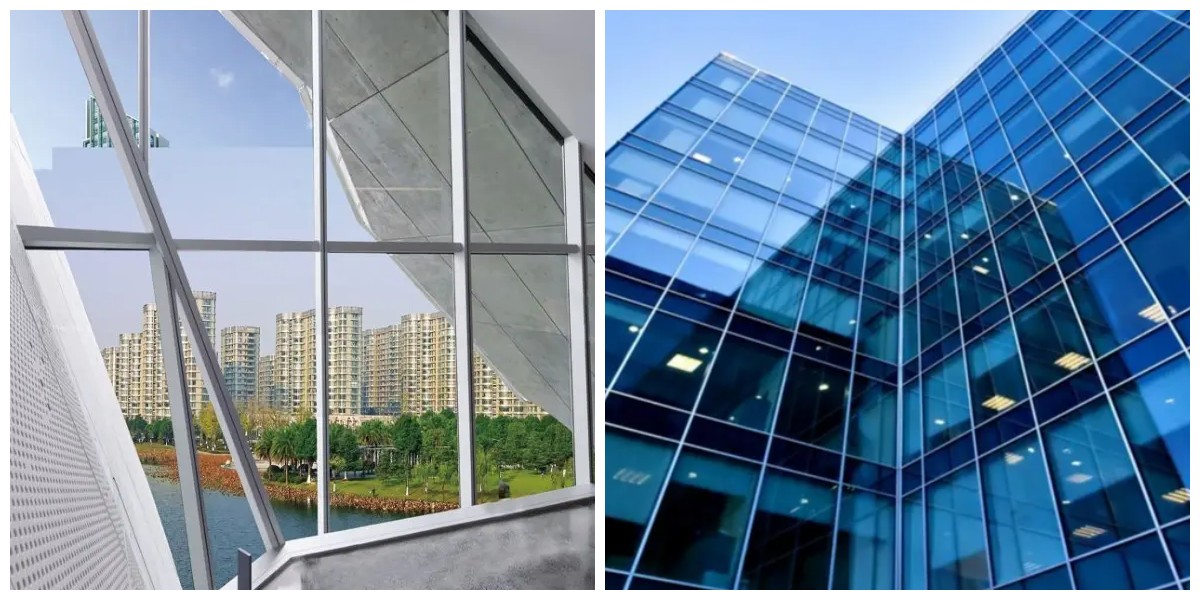
In the development field, LOW E tempered glass is frequently used to manufacture doors, windows, curtain walls, etc. of high-rise buildings. It can correctly block the switch of out of doors warmth to indoors and minimize warmness loss prompted by means of radiation, thereby accomplishing perfect energy-saving effects. At the identical time, its excessive energy residences additionally make sure the security of the building.
Features
High energy and safety: The tempered LOW E glass has extraordinarily excessive energy and can withstand robust impact. Even if it breaks, it will structure small particles, which significantly reduces the hazard of injury. This makes LOW E tempered glass have extensive software fee in locations that require excessive security, such as high-rise buildings, public areas, etc.
Good optical properties: LOW E glass has excessive mild transmittance, accurate indoor lighting fixtures effect, a range of colorations and accurate ornamental properties. This approves LOW E tempered glass to no longer solely grant a accurate visible experience, however additionally meet unique ornament needs.
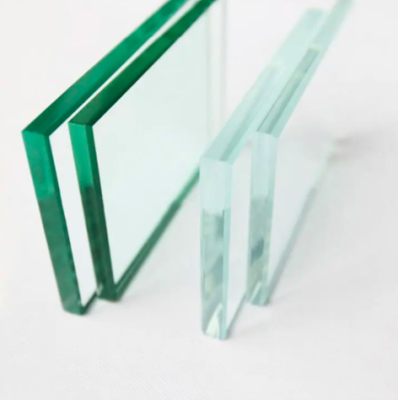
- Toughened Glass: When broken, it shatters completely into small dice-like pieces. It is very strong against impact but offers no fall-through protection once broken.
- Laminated Glass: Consists of two or more glass sheets (often toughened) bonded with a plastic interlayer (PVB/EVA). When broken, the glass fragments adhere to the interlayer, keeping the panel largely intact and preventing it from collapsing.
- Recommendation: For balcony railings, especially in high-rise buildings, the best and safest practice is to use laminated toughened glass. This combines the strength of tempering with the "shatter-proof" integrity of lamination, ensuring the panel remains in place even if broken, preventing dangerous falls of glass or people.
- Cleaning: Use a soft microfiber cloth, sponge, or a squeegee with a solution of mild soap and water or a dedicated, non-abrasive glass cleaner. Rinse thoroughly and dry with a clean cloth to prevent water spots. Avoid abrasive pads, scouring powders, or strong acidic/alkaline cleaners, as they can scratch or damage the glass surface or its coatings.
- Maintenance: Regularly inspect the metal framework (for corrosion or looseness) and the silicone seals (for cracks or gaps). Re-seal as necessary to maintain weather tightness. Promptly remove any hard water stains or pollutants to prevent permanent etching.
- What it is: A rare phenomenon (typically <0.3%) where toughened glass can break without any direct impact. It is usually caused by nickel sulfide (NiS) inclusions within the glass, which expand over time and can create internal stresses exceeding the glass strength.
- Risk Mitigation: The most effective solution is to specify Heat-Soaked Toughened Glass. This process involves reheating the tempered glass in a special oven to force any panes with unstable NiS inclusions to break before they leave the factory. While it adds a small cost, it drastically reduces the in-service failure rate. Using laminated glass provides the ultimate backup, as it will hold the broken pieces in place even if spontaneous breakage occurs.